Blog
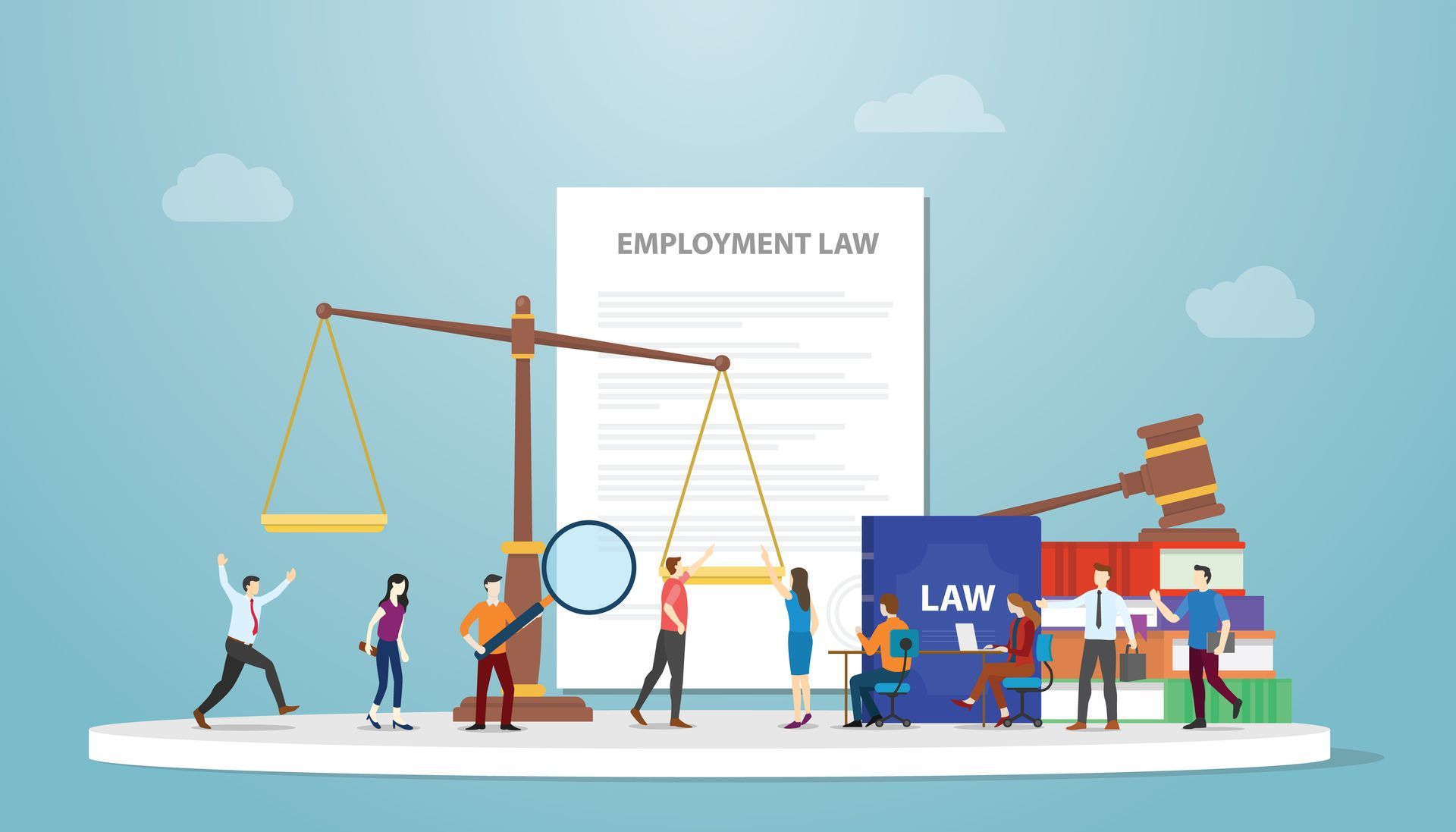
In Georgia, most charities and associations are subject to the same wage, overtime, and worker-classification rules that apply to for-profit employers. The difference is often in how employment law changes intersect with nonprofit staffing models, budgets, and missions.
While there have not been sweeping new employment statutes enacted across the board, several developments from 2025 carry forward into 2026 in ways that may affect Georgia nonprofits, particularly those with paid staff, contractor relationships, or specialized wage arrangements.
Georgia’s Dignity and Pay Act and Its Ongoing Phase-In
One of the most concrete Georgia-specific developments is the state’s move away from subminimum wages for workers with disabilities. Georgia enacted legislation in 2025 that phases out the use of special wage certificates over a multi-year period.
For nonprofits that operate supported employment, vocational training, or transitional work programs, this change may affect:
- Compensation structures that were previously lawful under older frameworks
- Long-term budgeting for program staff
- Workforce planning decisions that extend into 2026 and beyond
The key point for nonprofit leadership is that this change is not a one-time adjustment. The phased compliance schedule means decisions made in 2025 will continue to affect wage practices in 2026, even if no new legislation is passed this year.
Federal Overtime Rules and Classification Uncertainty
Georgia nonprofits generally follow federal overtime rules administered by the U.S. Department of Labor. In recent years, proposed changes to the salary threshold for exempt employees have been delayed or invalidated through litigation, leaving existing standards in place for now.
Even without a new rule taking effect in 2026, this uncertainty still matters for nonprofits. Many organizations rely on exempt classifications for program managers, development staff, or administrative personnel whose roles combine mission-driven and operational duties.
When salary thresholds or enforcement priorities shift, classifications that once seemed straightforward can warrant a second look. For nonprofits operating with lean staffing models, misclassification risk often arises gradually rather than through intentional noncompliance.
Independent Contractor Relationships Under Continued Scrutiny
Independent contractor classification remains an area where nonprofits frequently encounter risk, even absent brand-new statutes. Federal enforcement standards continue to emphasize economic reality over labels, and nonprofits are not treated differently simply because of their charitable purpose.
In practice, contractor issues tend to arise when:
- Contractors perform core program functions over extended periods
- Individuals work exclusively or nearly exclusively for one organization
- Contractor roles closely resemble those of paid staff
These issues are particularly relevant in 2025–2026 as nonprofits reassess staffing in response to funding changes, grant cycles, or program expansion. Classification decisions made during that period may later be reviewed using standards that emphasize substance over intent.
Why These Developments Matter More for Nonprofits Than Headlines Suggest
Unlike large employers with dedicated HR departments, many nonprofits rely on small leadership teams to manage compliance. Employment law changes that might be absorbed easily by larger organizations can create disproportionate strain for charities operating with limited administrative capacity.
What makes the 2025–2026 period notable is not the volume of new laws, but the way existing rules intersect with phased wage changes, enforcement uncertainty, and evolving staffing practices.
For nonprofits, the risk often lies in assuming that unchanged statutes mean unchanged exposure.
How Outside Counsel Can Help Atlanta Nonprofits Assess Employment Law Impact
Nonprofit general counsel can help organizations determine which developments actually apply to their operations and which do not. The Law Office of Cameron Hawkins can review wage structures affected by Georgia’s phase-in requirements, evaluate exempt classifications under existing overtime standards, or assess contractor relationships in light of current enforcement priorities.
Rather than recommending wholesale policy changes, we can focus on identifying where staffing practices intersect with legal thresholds and whether targeted adjustments are warranted.
Learn more about employment law considerations for Georgia nonprofits by calling (678) 921-4225 to
schedule an appointment.