Blog
Construction sites are inherently dangerous, and even a minor safety lapse can lead to severe injuries, workers' compensation claims and third-party lawsuits. By investing in proactive safety measures, construction companies can safeguard their employees, minimize legal liabilities and create a safer environment for everyone on site.
Developing and Enforcing Safety Standards
Clear, enforceable safety standards are the foundation of a secure construction environment. Companies should design safety protocols based on both OSHA requirements and industry-specific risks. For example, scaffold safety, fall protection and electrical hazard prevention are all essential topics to address thoroughly in safety standards and employee expectations.
Providing Comprehensive Safety Training
Training is one of the most effective ways to prevent workplace injuries. Every worker should receive training that is thorough, up-to-date and tailored to the specific hazards they may encounter on site. Regular training sessions should cover topics such as fall prevention, the proper use of tools, personal protective equipment (PPE) and emergency protocols.
For new hires or workers changing roles, companies should provide additional safety training before they begin work. Regular refresher courses are equally important, as they reinforce safety protocols and introduce new industry best practices. Consider also incorporating scenario-based or hands-on training, which can be more effective than passive classroom sessions.
Implementing Rigorous PPE Requirements
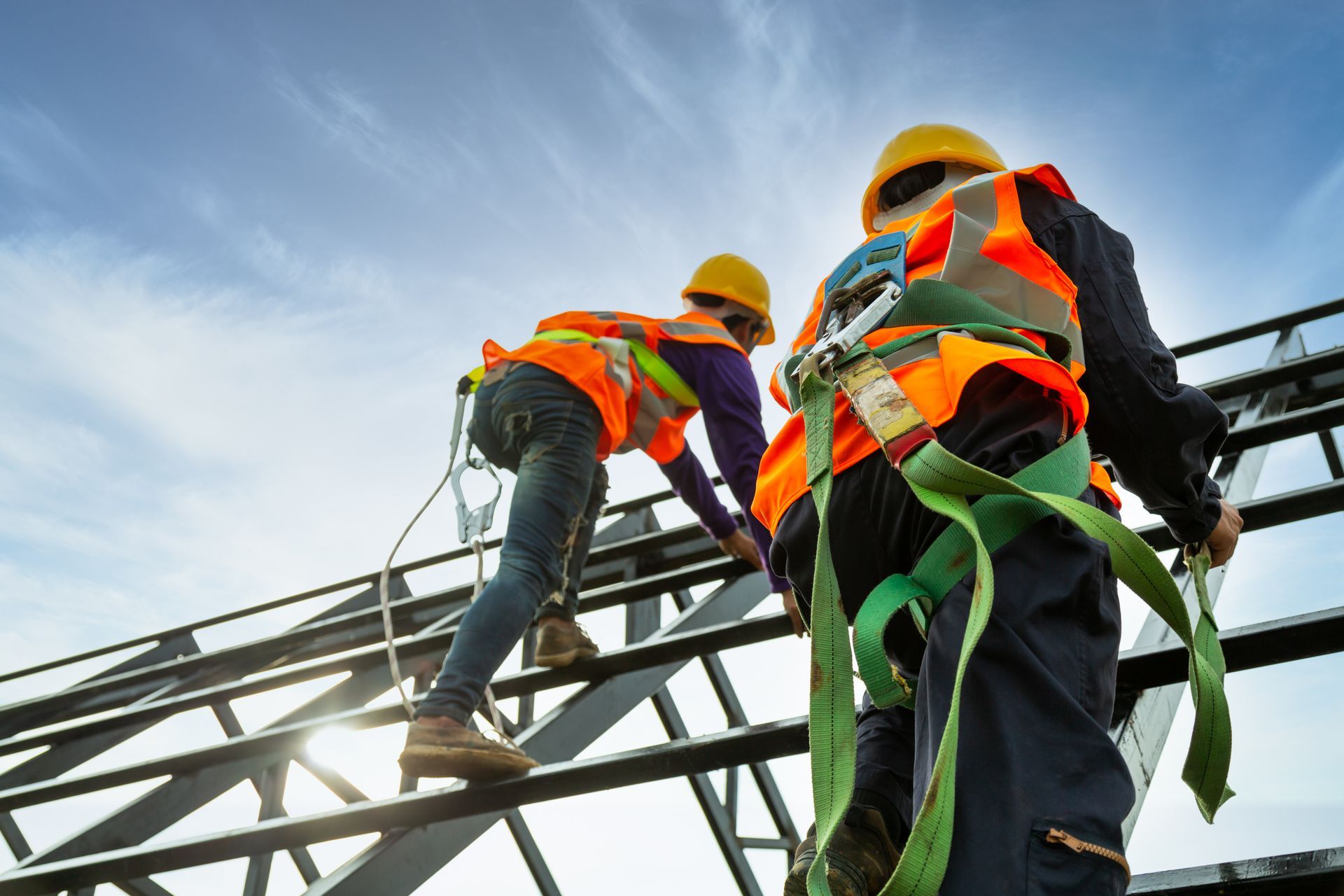
The use of personal protective equipment (PPE) helps reduce injury risk. Construction companies must provide high-quality PPE that meets or exceeds OSHA standards. Basic PPE items include hard hats, steel-toed boots, gloves, safety goggles and hearing protection. For tasks with specific risks, additional PPE, such as respirators or full-body harnesses may be necessary.
Establishing Hazard Communication Protocols
Clear communication about hazards is crucial for any construction site. Companies can implement a system of hazard communication through signs, labels and color-coded markers to indicate potential risks. For instance, areas with high electrical voltage should be marked with warning signs, while color-coded tape can designate walkways or no-go zones.
Regular safety briefings at the start of each shift can reinforce awareness of site-specific hazards. During these briefings, managers should encourage employees to report unsafe conditions or near-misses, helping to create an environment of shared responsibility.
Conducting Regular Equipment Inspections and Maintenance
Faulty or poorly maintained equipment is a leading cause of construction site accidents. Equipment inspections should be part of the daily routine, with a checklist used to confirm that all machinery, tools and safety devices are in good working order. This proactive approach allows teams to spot issues before they result in accidents.
Site managers should also enforce a strict schedule for maintenance and repairs in accordance with the manufacturer’s guidelines. Companies can further invest in equipment safety by installing sensors and monitors that can alert operators to potential malfunctions. In doing so, they can protect workers from harm and mitigate claims stemming from preventable equipment failures.
Enforcing Disciplinary Actions for Safety Violations
Safety culture on a construction site is only effective if everyone is held accountable. Enforcing disciplinary actions for safety violations can help reduce unsafe behaviors that lead to accidents and injuries. Site managers should implement a structured approach to address infractions, using corrective action plans for minor violations and escalating to suspension or termination if necessary.
Establishing Emergency Response Plans
No matter how thorough the safety protocols are, emergencies can still occur. Having a well-practiced emergency response plan in place is necessary for minimizing the severity of injuries when accidents happen. Each construction site should have an emergency response team and designated protocols for incidents like falls, fires and medical emergencies.
Regular drills can help prepare employees to respond appropriately and calmly during an emergency. Emergency plans should include procedures for contacting medical services, evacuating workers and managing hazardous materials. Make sure that every worker knows their role in an emergency and has easy access to first aid kits and emergency equipment.
Investing in Technology for Enhanced Safety
Modern technology offers powerful tools to improve construction site safety. Wearable devices, for example, can monitor vital signs and alert supervisors to any signs of fatigue, which often lead to accidents. Drones can be used to inspect high-risk areas, reducing the need for workers to perform dangerous tasks manually. Site surveillance cameras can help monitor safety practices, capture incidents and provide evidence if any claims arise.
Cultivating a Culture of Safety
Finally, one of the best ways to minimize workers’ comp and third-party injury claims is to foster a culture of safety throughout the company. When workers feel that their safety is a priority and know they will face consequences if they fail to meet mandated safety standards, they are more likely to follow protocols and work responsibly. Safety awareness programs, incentive programs for injury-free workdays and open discussions about safety concerns can all contribute to a culture of vigilance.
Improve Construction Safety for Your Atlanta Business With Our Business Commercial Litigation Attorneys
If you're interested in learning more about safety solutions for your construction business, or you require defense assistance for a third-party injury or workers’ comp claim, a skilled business litigation team can help.
Contact the Law Office of Cameron Hawkins today at (678) 921-4225.