Blog
Running a business involves a certain level of risk, including the potential to face general liability or malpractice claims. Litigation can become a major issue for businesses that don’t take steps to prevent frivolous and legitimate claims.
Implementing strong risk management strategies can help protect your business from these potential legal challenges.
Identify and Assess Potential Risks
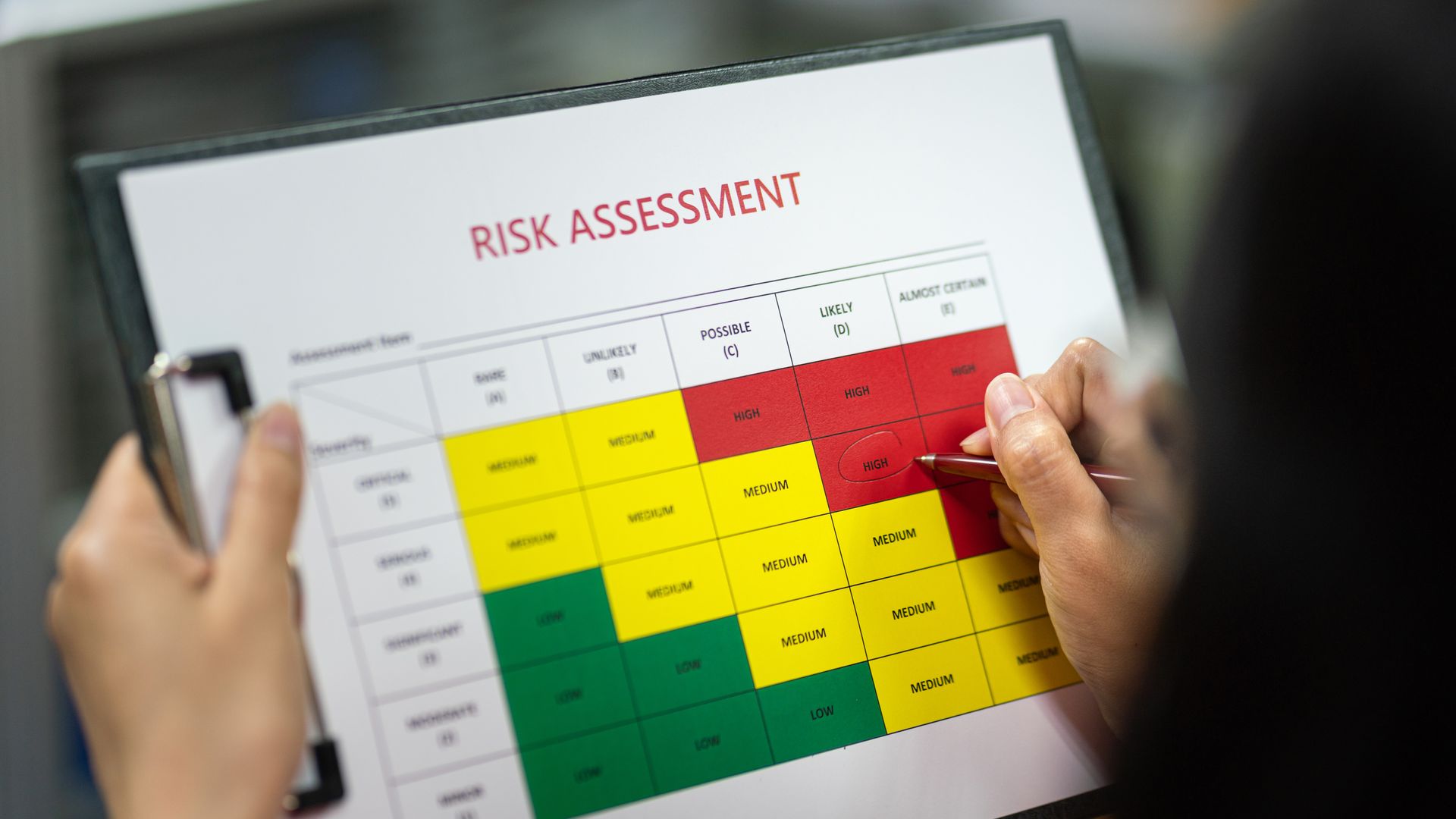
The first step in any effective risk management plan is to identify and assess potential risks specific to your business. Every business has unique risks, whether it's customer-related, operational, financial or regulatory.
For example, a construction company may face risks related to worker safety and equipment malfunction, while a retail business might be more concerned with customer slips and falls or product liability.
To assess your risks:
- Conduct a thorough risk assessment: Evaluate all aspects of your business operations and identify areas where potential lawsuits could arise.
- Classify risks by severity: Rank the risks based on the likelihood of occurrence and their potential impact on your business.
- Focus on high-priority risks: Once you've identified the risks, focus on the ones that have the highest potential to cause serious damage, whether financial, reputational or operational.
Develop and Implement Clear Policies and Procedures
One of the best ways to prevent lawsuits is by establishing clear, well-communicated policies and procedures within your business. When employees, vendors and clients know the rules and expectations, there is less room for misunderstanding, miscommunication and injuries that may leave you vulnerable to liability claims.
Some important areas to focus on include:
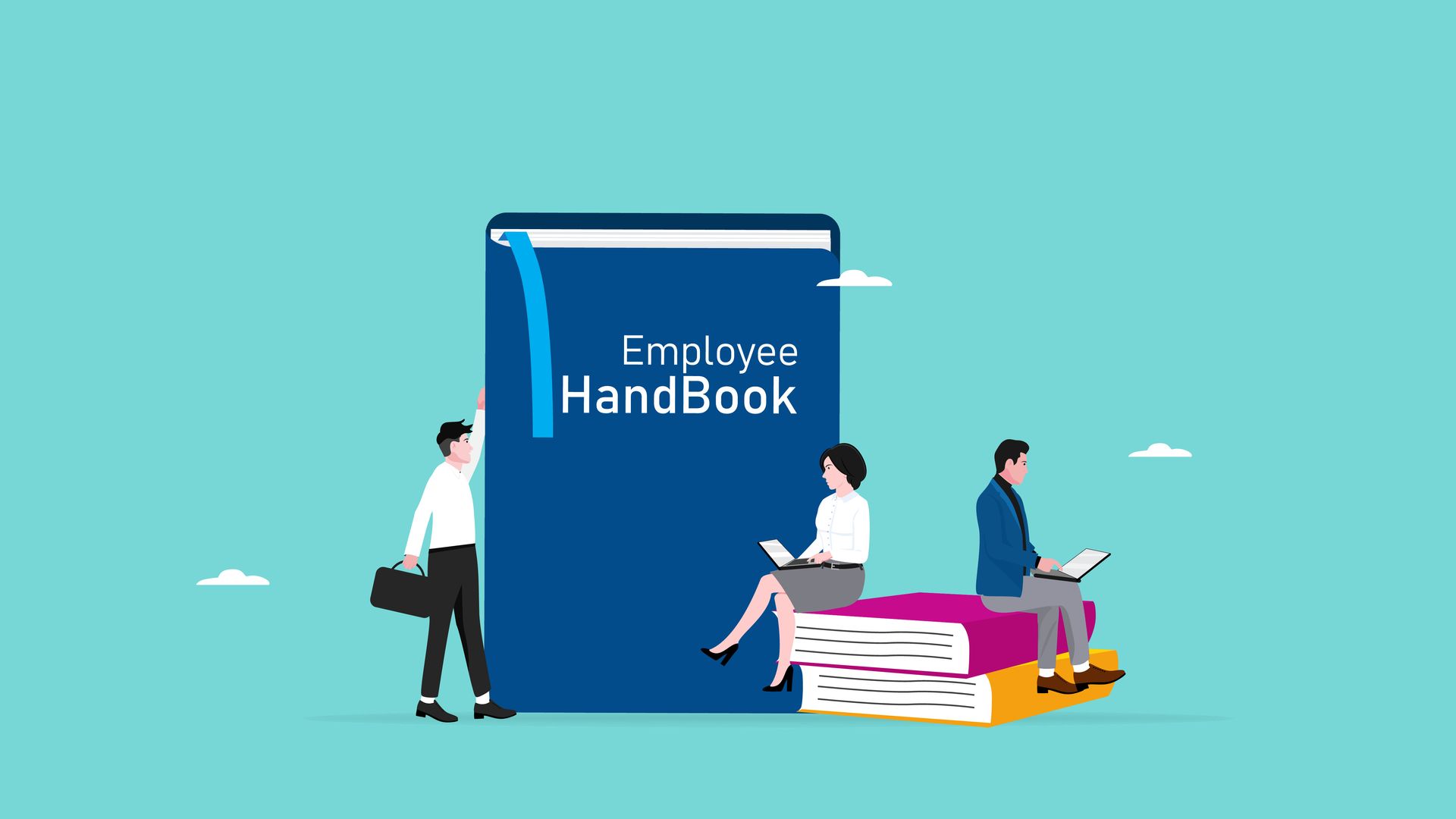
- Employee policies: Draft comprehensive employee handbooks that cover essential topics such as workplace behavior, performance expectations and disciplinary actions. Clearly outline anti-discrimination and anti-harassment policies, safety protocols and processes for resolving grievances.
- Safety procedures: If your business involves physical labor or customer interaction, prioritize safety policies to minimize the risk of accidents. Regularly train employees on safety best practices and make sure that proper equipment and safety measures are always in place.
- Customer service protocols: Implement a strong customer service policy that encourages employees to handle complaints and concerns professionally and promptly.
Maintain Thorough Documentation
In the event of a legal dispute, having proper documentation can be a great asset. Whether you’re dealing with a customer complaint, contract dispute or employee issue, maintaining records of interactions, transactions and agreements provides evidence that can be used to support your case.
Accurate, organized documentation can also serve as strong evidence if the case goes to court, helping to protect your business from false claims or baseless lawsuits.
Invest in Comprehensive Insurance Coverage
No matter how careful you are, accidents and mistakes can still happen. That’s why having the right insurance coverage is an important component of any risk management strategy. The right policies can help absorb the financial impact of lawsuits and prevent your business from being crippled by legal costs.
Here are some insurance types to consider:
- General liability insurance: Protects your business from claims of bodily injury, property damage and personal injury. It covers legal fees, settlements and medical expenses.
- Professional liability insurance (Errors and Omissions or Malpractice): If your business provides services, this insurance protects you from claims of professional negligence or errors that result in financial loss or injuries.
- Product liability insurance: Although general liability insurance does cover third-party claims related to products, some manufacturers, distributors and retailers may purchase separate product liability insurance for higher limits or specific product risks.
- Cyber liability insurance: With the rise of cybercrime, cyber liability insurance is necessary for protecting your business from third-party claims related to data breaches and other cyber incidents.
Consult Legal Counsel Regularly
Having an attorney on your team is invaluable when it comes to implementing effective risk management strategies. Regular consultations with legal counsel can help you stay ahead of potential risks.
Stay Compliant with Laws and Regulations
Regulatory compliance is another essential aspect of risk management. Depending on your industry, your business may need to comply with various local, state and federal laws related to health and safety, labor practices, environmental regulations and more.
Get Knowledgeable Advice From an Experienced Atlanta General Liability Defense Lawyer
Our business liability litigation attorneys at the Law Office of Cameron Hawkins in Atlanta are here to help you implement risk management strategies and defend against all types of third-party claims.
Let our team provide the legal support you need to stay protected and thrive by contacting us today here on our website or by giving us a call at (678) 921-4225.