Blog

The definition of liability as a concept does not change based on the roles of parties in injury claims, but how each party views liability can be dramatically different.
Liability From a Business Owner’s Perspective
From a business owner’s perspective, liability represents their legal responsibility for damages or injuries caused by the actions of employees, services or products. The goal of a business is to minimize liabilities wherever possible, as they potentially represent a significant risk of financial loss due to lawsuits or legal claims.
Liability has far-reaching consequences for the operation of businesses, and there are a number of products and services that relate to liability protection and mitigation.
Business Liability Insurance
One of the more tangible and costly consequences of liability as a concept is business liability insurance. Although it’s not a universal requirement for every business in Georgia, there are many that do require some form of business liability insurance.
- Many licensed professionals will need to carry it as part of their licensing requirements
- Some businesses operate in industries where maintaining business liability insurance is a requirement of client contracts
- Owners of commercial properties often require tenants to carry liability insurance as part of the lease agreement for their space
- Many financial institutions that lend to businesses have business liability insurance requirements in business loan contracts
Even if a business is not required to carry business liability insurance due to one of the above requirements, it’s typically a good idea to have. Liability claims can ruin a business, and insurance is the primary mode of protection.
Risk Assessment and Management
Many businesses conduct some form of risk assessment or put in place measures to manage potential hazards. This can cover a whole host of proactive measures, from having company policies regarding spill cleanups to reduce the risk of slip and fall injuries to in-depth quality assurance and defect testing on manufactured products.
Legal Compliance
Businesses in some industries must adhere to a host of laws and regulations that have been written specifically to mitigate risks related to legal liabilities. Although these laws can be cumbersome and may negatively impact efficiency in some respects, they may have the benefit of reducing the likelihood of customer injuries that could expose a business to liability.
Contracts and Waivers
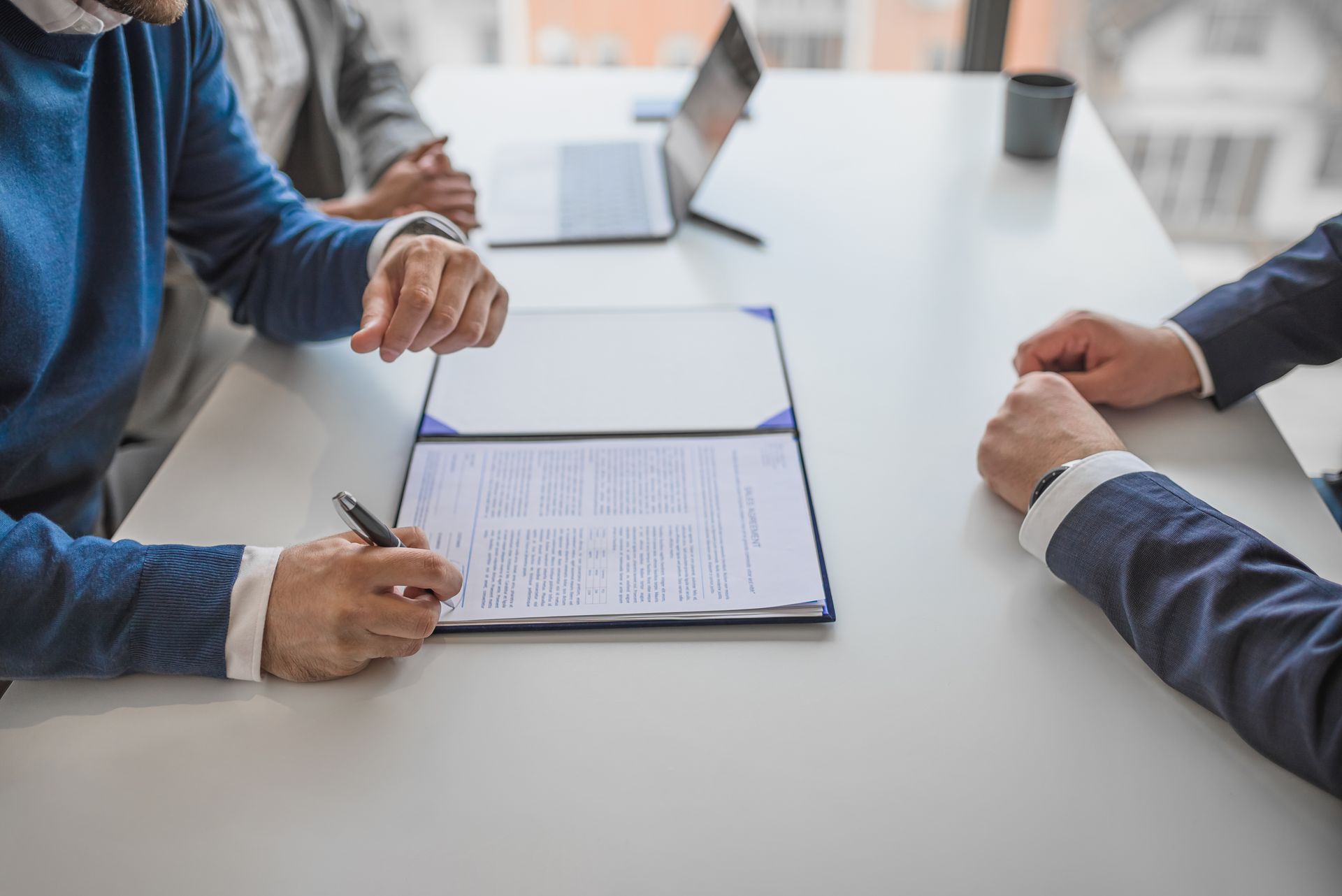
Liability waivers and limits often play an important role in business contracts. Included in these agreements are specific descriptions of the nature of any risks assumed by the parties of the contract as well as the limits of the business’s responsibilities for certain types of damages or injuries. This can range from actual physical injuries to financial consequences, like failure to deliver certain products or services on the agreed-upon date stipulated in the contract.
Employee Training and Safety
This involves training employees to adhere to the business’s safety protocol and perform their job duties safely to minimize the chance of accidents or injuries that might lead to liability claims. While not all types of safety training are required by law, many businesses would rather invest in training than be forced to pay large liability claims or the cost of litigation.
Liability From the Individual’s Perspective
From the individual’s perspective, liability can represent their ability to hold someone else financially responsible for injuries or damages they suffer due to the negligent or careless actions of a business or another person.
In other words, if someone runs a red light because they were distracted and hits you, liability dictates that the person who ran the red light should pay for all the financial and emotional costs you incurred due to their actions.
Proving Fault or Negligence
A key aspect of establishing another party’s liability for a person’s injuries is proving the other person was at fault and negligent. From a legal standpoint, this means proving that the party who caused your injuries owed you a duty of care and breached that duty by acting in a certain way (like doing or not doing something), which directly led to your injuries.
Product Liability and Premises Liability
Some types of injury claims work a little differently. In a product liability claim, injured people don’t need to prove the manufacturer, retailer or distributor was negligent, just that the injury was caused by using the unmodified product as instructed, intended or in a foreseeable fashion. Some types of premises liability, like dog bites, operate under a similar strict liability structure. Simply proving you were injured by the product or dog establishes the manufacturer/owner’s liability.
Personal Injury Claims
The most common resolution for liability involves insurance claims. The average person or business can’t always afford or doesn’t want to pay high medical costs, lost wages and pain and suffering damages out of pocket. Depending on the seriousness of the injuries, those types of damages can be ruinous, even for businesses.
Liability insurance, like home insurance, auto insurance and business liability coverage, protects policyholders from liability by paying for damages and, by necessary extension, financing a legal defense against liability claims. It is in the insurance company’s interest to protect the policyholder to minimize claim payments, which is why they fund the policyholder’s liability defense.
Business Liability Defense Lawyers in Atlanta, GA
While both individuals and businesses can benefit from independent liability defense lawyers, businesses, government agencies and other organizations are some of the most frequent users of liability defense services.
Insurance companies may hire local insurance defense attorneys to defend local policyholders in the business defense lawyer’s jurisdiction. In some cases, businesses may not want to rely solely on the insurance company for their legal defense, especially if their interests aren’t entirely aligned.
The Law Office of Cameron Hawkins advocates for businesses and plaintiffs in cases and is ready to fight for your interests. Call us at 678-921-4225 to get started.