Blog
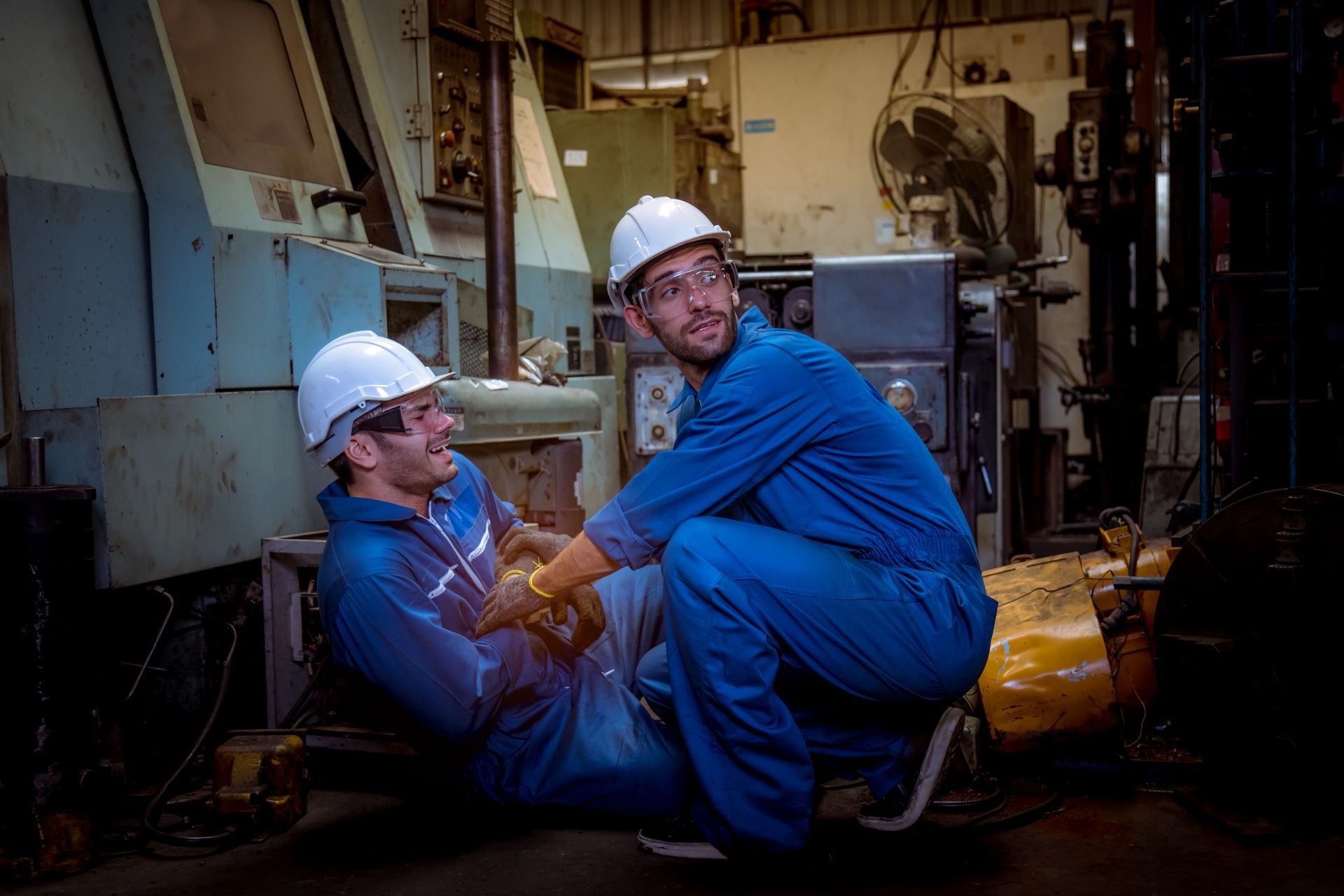
Workplace injuries are a significant concern for both employers and employees, impacting not only the health and well-being of the workforce but also the financial stability of businesses. Preventing these injuries requires a collaborative effort to identify risks and implement effective safety measures.
Common Workplace Injuries
- Slips, Trips and Falls: Slips, trips and falls can occur due to wet floors, uneven surfaces or cluttered workspaces. They often lead to sprains, fractures and even catastrophic spine or head injuries.
- Overexertion: Activities such as lifting, pushing or carrying heavy objects can cause overexertion injuries, including strains and sprains.
- Repetitive Strain Injuries (RSIs): Repetitive tasks, such as lifting and moving heavy loads in warehouses or assembly line work, can induce repetitive stress injuries of joints, muscles, ligaments and tendons.
- Struck by Objects: Falling tools, materials or equipment can cause head injuries, fractures and bruises.
- Machinery Accidents:
Contact with moving parts of machinery can result in severe injuries, including amputations and crush injuries.
- Vehicle-Related Accidents:
For employees who drive as part of their job, traffic accidents pose a serious risk.
- Workplace Violence: Physical assaults or threats can lead to injuries and stress-related conditions.
Strategies for Employers
Conduct Regular Risk Assessments
- Identifying Risks: Look for potential hazards such as slippery floors, faulty equipment or areas prone to congestion.
- Evaluating Safety Measures: Make sure that current safety measures are effective and identify areas for improvement.
- Involving Employees: Encourage employees to report hazards and participate in safety assessments.
Implement Safety Training Programs
- General Safety Practices: Educate employees on safety practices for your business or industry, such as proper lifting techniques and the importance of maintaining a clean workspace.
- Equipment Training: Train employees to properly use equipment and machinery safely.
- Emergency Procedures: Train employees on what to do in case of emergencies, such as fires or medical incidents.
- Strict Adherence: Enforce these practices with discipline measures if necessary. It’s vital to avoid lapses that could potentially lead to workers’ comp, liability claims and lost productivity.
Maintain Equipment and Workspaces
- Routine Inspections: Regularly inspect machinery and tools to ensure they are in good working order.
- Prompt Repairs: Address any identified issues immediately to prevent accidents.
- Cleanliness: Keep workspaces clean and free of clutter to prevent slips, trips and falls.
Promote a Safety Culture
- Leadership Commitment: Make sure that management demonstrates a commitment to safety.
- Open Communication: Encourage employees to speak up about safety concerns without fear of reprisal.
- Recognition Programs: Implement programs that recognize and reward employees for safe behavior and reporting hazards.
Strategies for Employees
Follow Safety Protocols
- Wear Protective Gear: Always use the appropriate personal protective equipment (PPE) for the task.
- Follow Instructions: Adhere to safety guidelines and operating procedures for equipment and tasks.
- Report Hazards: Immediately report any hazards or unsafe conditions to supervisors.
Practice Good Ergonomics
- Adjust Workstations: Ensure that desks, chairs and computer equipment are adjusted to promote good posture.
- Take Breaks: Regular breaks from repetitive tasks can prevent strain injuries.
- Use Proper Lifting Techniques: Bend the knees and keep the back straight when lifting heavy objects.
Stay Alert and Aware
- Stay Focused: Avoid distractions and stay focused on the task at hand.
- Be Aware of Others: Look out for your coworkers’ safety and be mindful of their actions.
- Avoid Risky Behavior: Refrain from taking shortcuts or engaging in risky behavior that could lead to accidents.
The Benefits of Prevention
- Reduced Liability: Fewer injuries mean fewer liability claims and lower insurance premiums for employers.
- Improved Morale: A safe work environment boosts employee morale and productivity.
- Cost Savings: Preventing injuries reduces costs associated with medical expenses, lost productivity and potential legal fees.
- Enhanced Reputation: Businesses known for their commitment to safety can attract and retain top talent and build a positive reputation.
Expert Legal Assistance for Workplace Injuries in Atlanta, GA
Unfortunately, not all workplace injuries are entirely avoidable. There are a lot of dangerous jobs in Atlanta, and this reality is one of the reasons why workers’ comp is a no-fault system. Having the right legal support from a skilled workers’ comp attorney can be helpful after an injury on the job. The Law Office of Cameron Hawkins is ready to assist you in navigating the aftermath of your workplace injury.
Contact us here on our website or give us a call today at 678-921-4225 to schedule your free consultation.